


Personal Protective Equipment (PPE)
Comprehensive solutions for manufacturers and exporters of protective products, ensuring quality, safety, and performance to meet stringent regulatory requirements.
Specialized PPE Center
Supporting your journey to CE/UKCA Marking
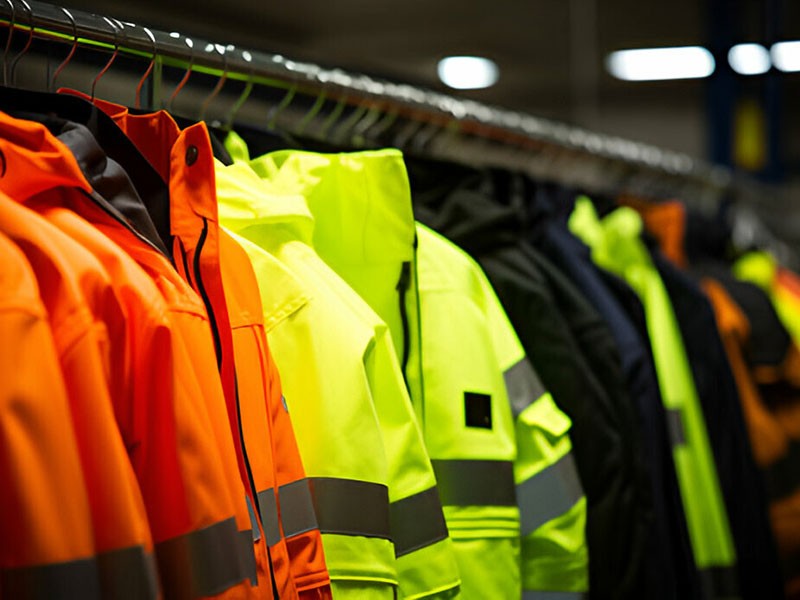



Protective Apparel for OH&S
Protective apparel used in occupational environments is designed to shield workers from mechanical hazards, heat and flame exposure, the low-visibility conditions, and chemical contact. From industrial footwear/gloves and FR garments to Hi-Vis clothing, these products must meet strict safety and performance requirements.
Tti supports manufacturers and suppliers with testing aligned to globally recognized standards, verifying durability, protective performance, and material safety before products are deployed in demanding workplace environments.
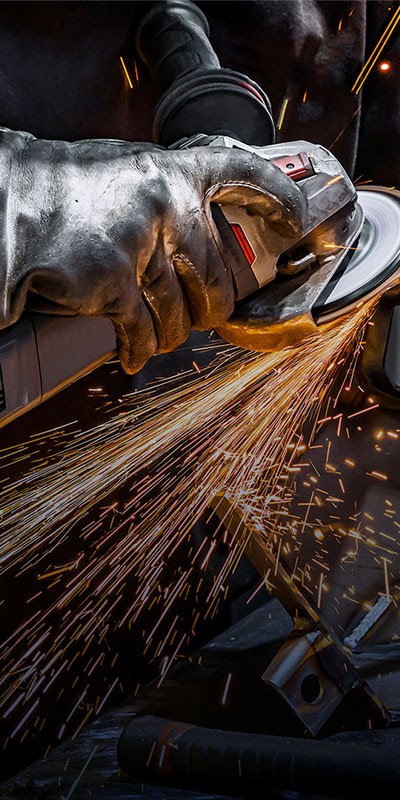
EN ISO 21420:2020 General requirements for protective gloves
ANSI/ISEA 105‑2024 Hand protection & cut level ratings
Mechanical Protection Gloves
EN 388:2016+A1:2018 Protective gloves against mechanical risks
Designed to protect hands against abrasion, blade cuts, tearing, punctures, and impact hazards in industrial work environments.
Cold Protection Gloves
EN 511:2006 Protective gloves against cold
Designed to protect hands against convective cold, contact cold, and water penetration in low-temperature working conditions.
Welders’ Protective Gloves
EN 12477 Protective gloves for welders
These are designed for welding environments where workers face heat, sparks, and molten metal hazards.
Firefighters’ Protective Gloves
EN 659 Protective gloves for firefighters
EN 407 Protective gloves against thermal risks
These gloves must provide protection against extreme heat while maintaining dexterity during emergency operations.
Contact us for complete details on test parameters/methods
Key Evaluations

EN ISO 13688:2013 Protective clothing: General requirements
EN 13034:2005+A1:2009 Protective clothing against liquid chemicals
EN 14325:2018 Protective clothing against chemicals
Flame-Resistant (FR) Protective Clothing
Workers exposed to heat, flames, molten metal, or thermal radiation require specialized protective garments designed to resist ignition and limit heat transfer.
EN ISO 11611 Protective clothing for welding and allied processes
EN ISO 11612 Protective clothing against heat and flame
EN 469 Protective clothing for firefighters
Contact us for complete details on test parameters/methods
Key Evaluations
High-Visibility (Hi-Vis) Protective Clothing
High-visibility garments are designed to enhance worker visibility in hazardous environments such as construction zones, roadworks, and low-light workplaces.
EN ISO 20471 High visibility clothing
EN 17353 Visibility clothing for non-professional use
ANSI/ISEA 107-2020 High-Visibility Safety Apparel
Contact us for complete details on test parameters/methods
Key Evaluations

Protective footwear used in occupational environments are to protect workers while maintaining comfort and durability for prolonged use. Tti conducts testing according to internationally recognized footwear safety standards, evaluating its design, construction, and protective performance.
EN ISO 20345
Safety Footwear
Offers the highest level of protection, including mandatory toe-cap protection against impact and compression hazards.
EN ISO 20346
Protective Footwear
Provides enhanced protection against workplace hazards including mechanical impact and structural stress.
EN ISO 20347
Occupational Footwear
Designed for professional environments where toe protection is not mandatory but safety, durability, and ergonomic performance are required.
Contact us for complete details on test parameters/methods
Key Evaluations
Protective Apparel for Motorcycle Riders
Motorcycle protective equipment is designed to reduce injury risks during accidents while maintaining rider comfort, mobility, and control. We specialize in testing and compliance evaluation for motorcycle PPE in accordance with the internationally recognized standards.
Our testing verifies the protective performance of footwear, garments, and gloves through controlled laboratory evaluations that simulate real-world riding hazards such as impact, abrasion, tearing forces, and environmental exposure.
We also offer CE certification facilitation via global partners and cover technical review of motorcycle PPE in accordance with Regulation (EU) 2016/425.
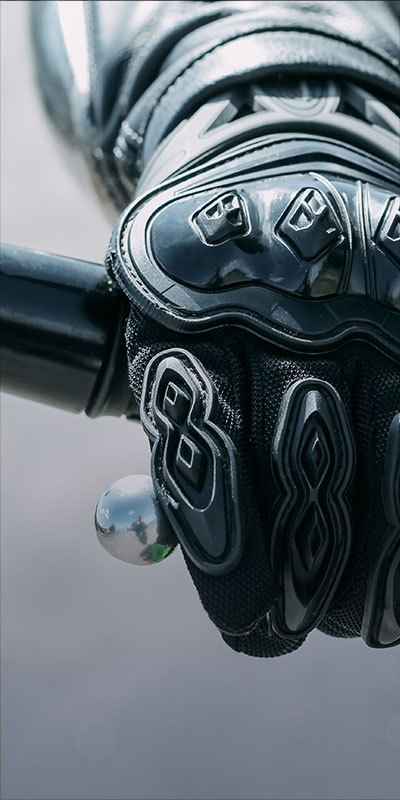
EN 13594:2015 Protective gloves for motorcycle riders
Performance Levels
EN 13594 certified motorcycle gloves are classified as below, according to their level of protection and intended riding conditions.
Level 1: Everyday Comfort
Designed for general riding use, providing essential protection while maintaining flexibility, grip, and dexterity for everyday riding environments.
Level 2: Enhanced Protection
Offers higher levels of impact and abrasion protection for demanding riding conditions. Level 2 gloves must include certified knuckle impact protection and meet stricter performance requirements for durability and rider safety.
Contact us for complete details on test parameters/methods
Key Evaluations
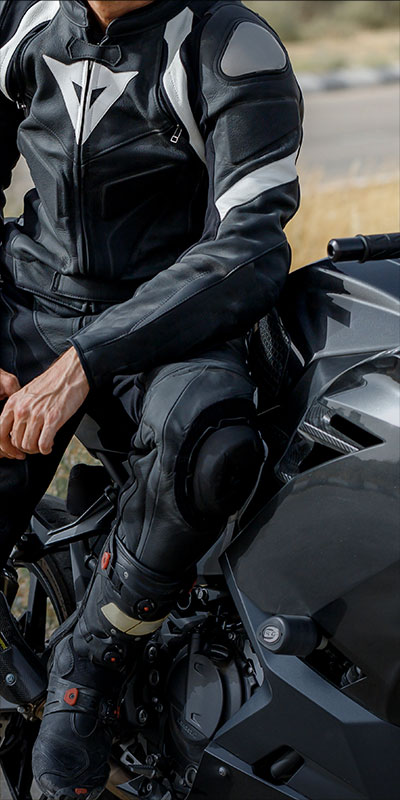
EN 17092 Series Protective clothing for motorcycle riders
Part 1: Test Methods
Part 2: Class AAA
The highest protection level. Designed for maximum resistance to impact and abrasion using advanced materials and construction techniques.
Part 3: Class AA
High-performance protection suitable for a wide range of riding conditions.
Part 4: Class A
Provides essential protection against impact and abrasion for everyday riding use.
Part 5: Class B
Focused on abrasion resistance comparable to Class A, but without integrated impact protectors. Typically used for specialized outer garments.
Part 6: Class C
Garments designed solely to hold impact protectors in place, worn as inner or outer layers rather than as standalone protective shells.
Contact us for complete details on test parameters/methods
Key Evaluations
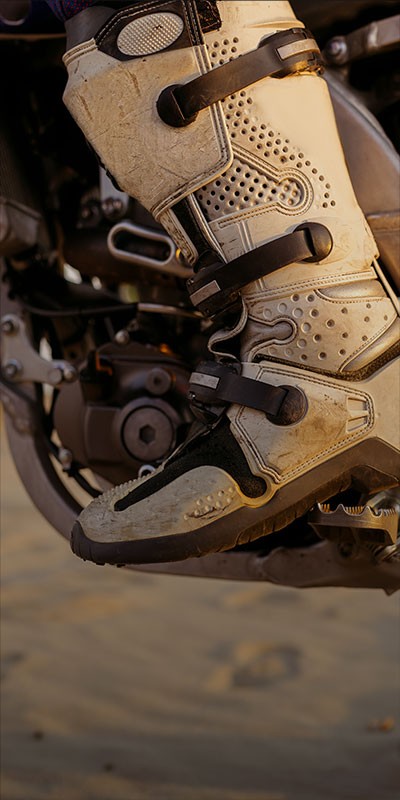
EN 13634:2017 Protective footwear for motorcycle riders
Performance Levels
Motorcycle footwear is classified according to protective performance levels:
Level 1: Standard Protection
Designed for everyday riding conditions.
Level 2: Advanced Protection
Higher structural resistance for demanding riding environments.
Contact us for complete details on test parameters/methods
Key Evaluations
Need more details?
PPE for Healthcare Professionals
Healthcare brands and medical PPE manufacturers operate in an environment where failure is not an option. Every protective product must deliver consistent performance, verified safety, and full regulatory acceptance before it reaches hospitals, clinics, and frontline professionals. Tti supports this process through accredited testing, inspection, and compliance solutions that help reduce risk, protect users, and ensure reliable market access across global healthcare supply chains.
To support holistic safety of the facility, we provide a complete hygiene and infection-control analytical solution. This includes performance testing for clinical disinfectants and hand sanitizers, environmental monitoring, and comprehensive evaluation of surgical devices outlined below.

Surgical Gloves
EU Standards: EN 455 Series | EN ISO 374 | EN ISO 21420
US Standards: ASTM D3577 | ASTM D6319 | ASTM D6978

Surgical Gowns & Drapes
EU Standards: EN 13795-1:2019 | EN 13795-2:2019 | EN 13034:2005+a1:2009
US Standards: ASTM F2407:2019 | ASTM F3352:2019 | AAMI PB 70
Surgical gowns and drapes are designed to maintain sterile barriers during medical procedures, protecting wearers from microbial and fluid exposure.
We test surgical textiles to ensure they meet the protection and durability requirements of controlled medical environments. Our evaluations cover microbial penetration resistance, viral and blood penetration resistance, hydrostatic pressure, lint generation, tensile and tear strength, seam integrity, and liquid barrier performance.

Medical Masks
EN 14683:2019 Medical face masks - Requirements and test methods
ASTM F2100:2019 Standard Specification for Performance of Materials Used in Medical Face Masks
Medical face masks serve as a critical barrier against microbial exposure and fluid penetration in healthcare environments. We offer comprehensive testing solutions for both sterile and non-sterile masks, aligned with EN 14683:2019 and ASTM F2100:2019, evaluating key performance parameters such as Bacterial Filtration Efficiency (BFE), Particulate Filtration Efficiency (PFE), breathability (differential pressure), synthetic blood penetration resistance, microbial cleanliness (bioburden), and flammability.
These assessments verify that mask materials and finished products deliver the filtration efficiency, comfort, and barrier protection required for regulated medical use.

CE Certification
Your Gateway to the European Market
To place PPE products on the European market, manufacturers must demonstrate compliance with Regulation (EU) 2016/425 and obtain certification through an authorized Notified Body. The CE marking confirms that the product meets essential health and safety requirements defined under the EU PPE Regulation and is permitted for sale across the European Economic Area (EEA).
We support manufacturers through the CE certification process by providing accredited testing, technical documentation support, and coordination with the recognized Notified Bodies, ensuring a smooth journey to market.
Category I: Minimal Risks
Products protecting against low-level risks. Manufacturers can issue a self-declaration of conformity without involvement of a Notified Body.
Category II: Intermediate Risks
Products requiring EU Type Examination (Module B) before CE marking.
Category III: High Risks
Products designed to protect against serious or irreversible hazards. These require EU Type Examination and ongoing conformity assessment by a Notified Body.
PPE Regulatory Expertise
Our technical specialists possess extensive experience in PPE standards, regulatory frameworks, and performance requirements. We assist manufacturers in identifying the correct testing protocols, interpreting results, and addressing compliance gaps during product development.
Technical Documentation & Compliance Support
We assist manufacturers in preparing complete technical documentation and test reports aligned with Notified Body expectations. Properly structured documentation helps streamline the EU Type Examination process and reduces delays during certification review.
Collaboration with Notified Bodies
Tti works in close coordination with several European Notified Bodies for PPEs. Our laboratory test reports and technical evaluations are relied upon during conformity assessment procedures such as:
EU Type Examination (Module B)
Other applicable conformity assessment procedures under Regulation (EU) 2016/425


Product Review & Evaluation

Proposal Drafting and Product Testing

Submission of Technical File to Notified Body
Examination Technical Inspection

Draft Certificate
Final type-examination
CE/UKCA Certificate


Personal Protective Equipment
PPE testing & CE certification
20 pages · PDF 9.7 MB
Which international standards do you test against?
We perform testing according to a wide range of international standards, including EN ISO 21420 for protective gloves; EN 388 for mechanical risks; EN 407 for thermal risks; EN 511 for cold protection; EN 12477 for welding gloves; EN ISO 20345 for safety footwear; EN 13634 for motorcyclists’ protective footwear; EN 17092 for motorcyclists’ protective garments; EN ISO 20471 for high-visibility clothing; EN ISO 11611 for protective clothing for welding; EN ISO 11612 for protection against heat and flame; EN 469 for firefighters’ protective clothing; and many other PPE standards.
Is Tti Testing Laboratories a Notified Body?
No. Tti Testing Laboratories is an ISO/IEC 17025 accredited testing laboratory. We provide accredited testing services and technical support for CE certification in collaboration with recognized European Notified Bodies.
What is the difference between testing and certification?
Testing evaluates whether a product meets specific technical requirements, while certification is the formal approval issued by a Notified Body after reviewing the test results and technical documentation.
How many samples are required?
Sample requirements vary depending on the applicable standard and the tests requested. Our technical team will inform you of the exact quantity after reviewing your product.
How long does testing take?
The testing duration depends on the applicable standard, test complexity, and laboratory workload. Our team will provide an estimated turnaround time with the quotation. Generally, complete PPE testing takes seven to ten working days.
Can I request only specific tests instead of full certification testing?
Yes. We can perform individual tests or complete testing programs according to your specific requirements.
What is a Technical File?
A Technical File is a collection of documents demonstrating that a PPE product complies with applicable regulatory requirements. It typically includes product specifications, risk assessment, test reports, drawings, labels, user instructions, and declarations.
What information should be included in the manufacturer’s instructions and information notice?
User instructions should include the intended use, limitations of protection, storage instructions, cleaning and maintenance guidance, marking explanations, size information, warnings, manufacturer details, and declaration of conformity access information.
Can overseas manufacturers use your services?
Yes. We work with manufacturers, exporters, importers, and brands worldwide.
Can you test prototypes before production?
Yes. Prototype testing is recommended to identify potential issues before mass production and certification.
What happens if my product fails testing?
Our technical team will explain the test results, identify the reasons for failure, and provide guidance on possible improvements before retesting.
